
Bear Trap Stock Chart
How to identify a bear trap. A bear trap stock is one that people enter short too late after the downtrend is already over, a short seller is arriving at the bear party just as the bears are leaving.



A bull trap or a bear trap is primarily a chart pattern that occurs quite often, yet traders tend to ignore this only to see the so called profits turn into losses.

Bear trap stock chart. As the first chart example shows below; This pair had formed a support level at around 1.25 as it retraced lower and then bounced higher to 1.28 from there. The basic definition of a bear trap trading is when a bearish chart pattern occurs and falsely signals a reversal of the rising price trend.
To create the bear trap there is a level or area in the market that the trap will be created around. A bear trap is the culmination of several avoidable factors that can you leave ruined on the short side. This can be an area such as a major moving average, but it is often a major support level.
A bear trap usually starts with price moving lower sharply and creates expectations of a continued downtrend on the chart. Bears get into bad trades every day, and not everything is a bear trap. A bear trap is more likely to happen in stocks with large amounts of shares outstanding as short interest and a high short interest ratio.
The bulls should use this dip as good opportunity and cherry pick stocks. Here is the example of that situation shown below by this bear trap chart: You think price is going to fall and continue down, and it.
So let’s say you see a setup on the charts that looks ripe to go short, and you hit the bid. Another meaning for a bull trap is an “upthrust” and that term was coined by richard wyckoff. The structure can confirm the bear trap once it moves above 14,900 levels.
But we are biased in. Bull and bear traps provide quick indications of a signal failure, but. But, it returned from down there, and pierced the support level.
These major support levels will regularly hold. With no central governing body, institutions don’t have to disclose any of their trading information. How to avoid a bear trap.
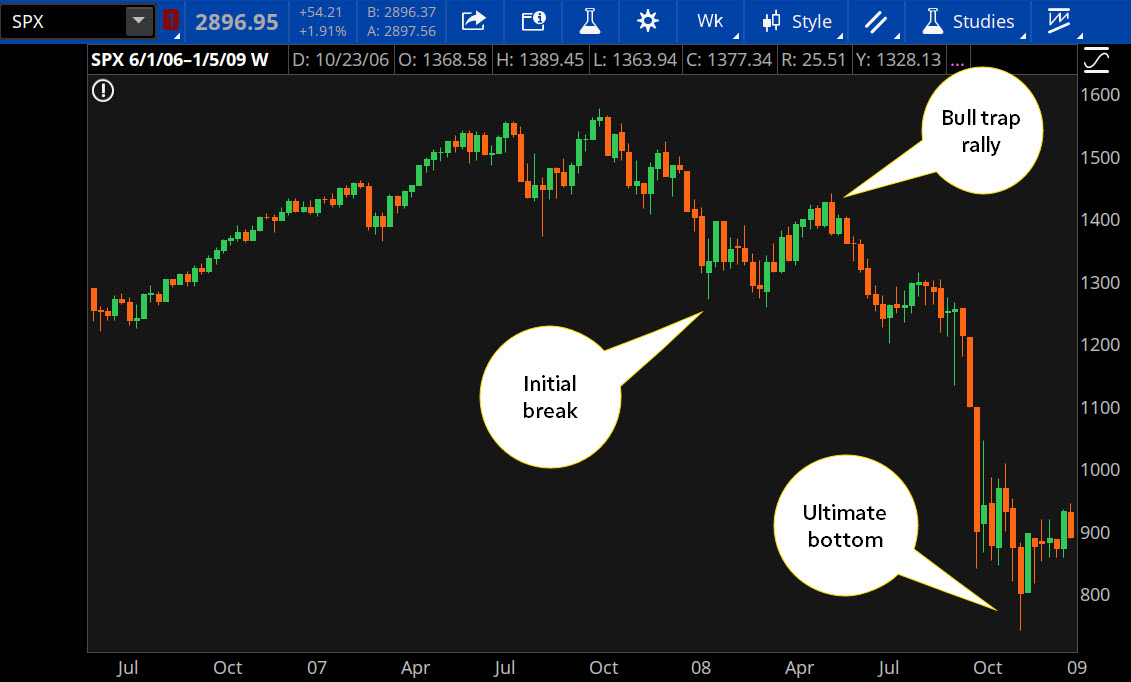
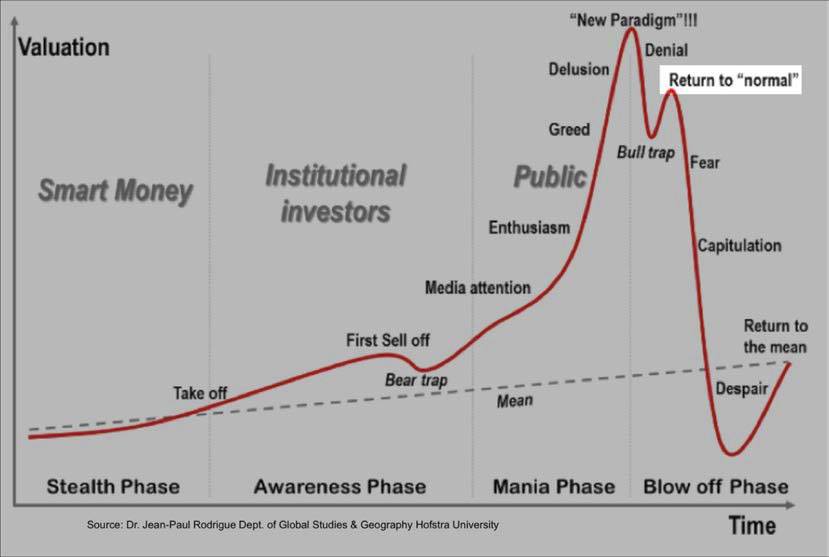
Even traders who make use of technical indicators in their trading will come across the bull trap or the bear trap. A bull trap is a false signal, referring to a declining trend in a stock, index, or other security that reverses after a convincing rally and breaks a prior support level. The bull traps and bear traps can lead to huge losses for traders.
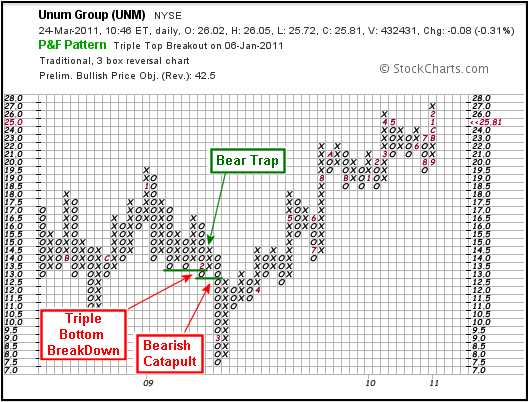
The same setup is usually observed, prices breaking out to fresh highs where institutions will. A bear trap is a multiple bottom breakdown that reverses after exceeding the prior lows by one box. Bear traps often break local price supports before quickly reversing to the upside, and encourage traders to open short positions (see:
Notice how in both traps on the chart, the stock still has. Bull and bear traps are p&f signals that quickly reverse. Any chart pattern trader should be familiar with bull trap chart patterns (opposite of bear traps) as they are quite common in markets such as forex, futures, and the stock market.
Bear traps can be a bit harder to spot in the crypto chart patterns than in the stock market. These 3 bear traps chart formations provide really good buy signals especially if they form. It is a trap to sell short deep into a hole on a chart.
The next 1 or 2 candlesticks are bullish. The best time to usually sell short is into an extremely overbought chart or on the initial breakdown of support, not. Bull & bear traps in primary trends.
When a stock is starting to reverse, approaching new highs or new lows, the volume will accelerate. Margin trading) after a key support has been broken. The bear trap chart pattern is a very basic setup.
You will want a recent range to be broken to the downside with preferably high volume. A good example of a bear trap can be found on the chart below. In particular, a bull trap is a multiple top breakout that reverses after exceeding the prior highs by one box.
But when the market changes direction and the volume is low, this could always be a bear trap. In illiquid stocks, there’s usually only one or two big players controlling the stock. A bear trap is a rapid price decrease in an uptrend.
The stock will need to get back above support within 5 candlestick bars, then explode out of the top of the range. Bear trap example chart and pattern. 10 low, which is the neckline of the nov.
Bear traps on stocks can also be found on intraday charts. Take this chart from seekingalpha’s arun chopra, which displays just a few of the short squeezes in the stock: A bearish bear trap candlestick breaks the support level and goes down but closes above the support level.
What you see is a reversal pattern that has formed on an uptrend. Therefore, you can only track the market closely to identify where a bear trap may have occurred. A bear trap is a deliberate move by the big institutional players to trap traders into thinking there is a short trade.
After the trap phase, price shoots back up leaving bears in a bad trade. While friday closed well below that. On the other hand, our expectation of a bear trap fails if 14,200 is broken on the down side.
A bear trap is a technical stock trading pattern reflecting a misleading reversal of an upward trend in the financial market. As we can see, gbp/usd is trading on a bullish trend on the daily chart.


Post a Comment for "Bear Trap Stock Chart"